
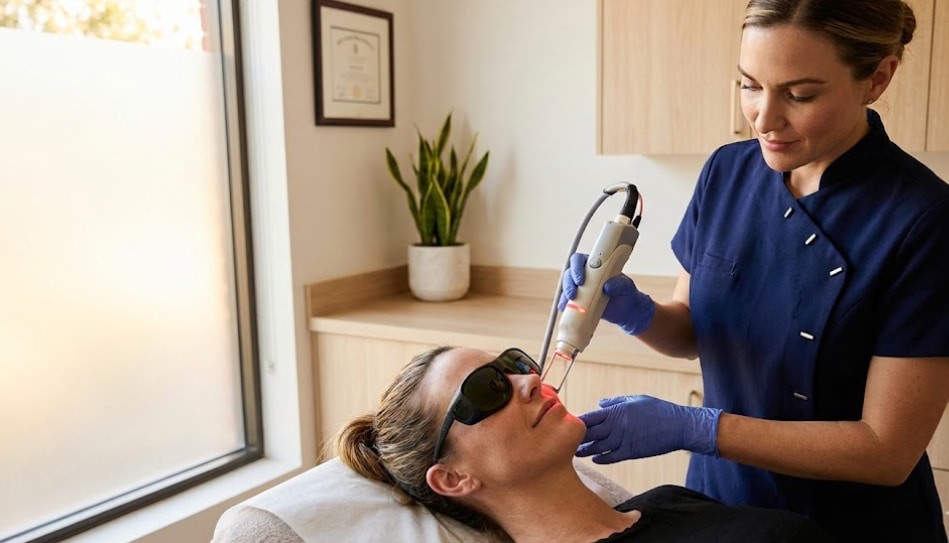
Hyperpigmentation Treatment Cost 2026: $99–$299 Per Session
Hyperpigmentation treatment at LeVogue Med Spa costs $99 to $299 per session based on the verified current pricing supplied for this guide. Your final cost can vary with the treatment method, size of the area, type and depth of discoloration, number of sessions, and any recommended home-care products.
A free consultation can help clarify which approach fits your skin and what the full plan may cost before you begin treatment. For sun-related discoloration in particular, an IPL photofacial treatment is one of the light-based options a consultation may discuss.
Hyperpigmentation Treatment Cost at a Glance
LeVogue’s current general hyperpigmentation treatment range is $99 to $299 per session, while the total cost depends on how many sessions and services are included in your individual plan.
The three- and six-session totals are simple calculations based on the $99–$299 per-session range. They are not package prices or recommendations for how many sessions you will need.*
Skin-care products, prescriptions, dermatologist visits, or other services may add to the total when they are part of your care. Some people may need fewer appointments, while others may need a longer plan or maintenance.
What Affects the Cost of Hyperpigmentation Treatment?
The final cost is mainly affected by the type of pigmentation, treatment area, treatment method, skin characteristics, and number of sessions in your plan.
Type of pigmentation: Sunspots, melasma, and post-inflammatory hyperpigmentation can behave differently. A treatment that makes sense for a small group of sunspots may not be the right choice for melasma or widespread post-acne marks.
Depth and pattern: Pigment closer to the surface may be approached differently from discoloration that sits deeper in the skin or has more than one cause.
Treatment area: Treating a small area usually requires a different amount of time and product or device use than treating the full face, chest, back, or hands.
Treatment method: Professional skin care, chemical peels, lasers, and light-based treatments involve different products, equipment, treatment times, and follow-up needs.
Skin tone and sensitivity: Skin tone matters when selecting certain procedures and device settings because irritation itself can cause or worsen post-inflammatory hyperpigmentation.
Number of sessions: A single session and a multi-session plan have very different total costs. The number of visits should be based on the pigmentation concern, chosen treatment, and how your skin responds.
Home care: Sunscreen, pigment-control products, or prescription products may be recommended as part of some treatment plans and can add to the overall budget. Choosing the pigment-control and home-care products that fit your plan can help protect your results between visits.
The lowest session price is not always the lowest total cost. A plan should match the type of discoloration rather than simply choosing the least expensive procedure. It helps to compare treatment plans and financing side by side, since a slightly higher per-session price can still mean a lower overall investment.
How Much Does Laser Treatment for Hyperpigmentation Cost?
LeVogue’s verified general hyperpigmentation treatment price is $99 to $299 per session, but a laser-specific quote depends on the device or procedure selected, treatment area, and individual treatment plan.
“Laser treatment for pigmentation” can refer to different procedures, so one advertised number should not be treated as the fixed price for every laser option. A larger area, more intensive treatment, additional sessions, or pre- and post-treatment skin care may change the final cost.
Laser or energy-based treatment may be considered for selected pigmentation concerns, but it is not automatically the best choice for every dark spot or every skin tone. Post-inflammatory hyperpigmentation, for example, can sometimes worsen after laser or energy-based treatment, so treatment selection and settings matter.
When broader texture and tone are involved, laser skin resurfacing for deeper concerns may be considered as part of the plan instead.
Is IPL the Same as Laser Treatment?
No. IPL, or intense pulsed light, is a light-based, non-laser technology, while a laser uses a more specific light source.
Both types of technology may be used for selected cosmetic pigmentation concerns, but they are not interchangeable. Your skin tone, type of pigmentation, recent sun exposure, medical history, and the specific device being considered can affect whether a light- or laser-based treatment is appropriate.
How Does the Treatment Type Affect the Price?
The treatment method can change both the per-session price and the total cost because different approaches may involve different products, equipment, session counts, and maintenance needs.
A higher-priced procedure is not automatically better. The useful question is whether the treatment matches the type of pigmentation and your skin’s risk factors.
Why Can Melasma Treatment Cost More Over Time?
Melasma can cost more over time because it often needs ongoing management, sun protection, and sometimes a combination of treatments rather than one procedure.
Melasma can improve, but it can also return. Sunlight and visible light can contribute to worsening, and hormonal factors may play a role for some people. The American Academy of Dermatology notes that there is no single best treatment for melasma; care often combines sun protection with topical medication and, in some cases, an in-office procedure.
That means the long-term budget may include more than an initial treatment session. Depending on the plan, costs may include recommended skin care, prescriptions, procedures, and maintenance.
A melasma consultation should review your skin tone, history of pigmentation, current products and medications, previous treatments, sun exposure, and any known triggers before a procedure is selected. Because the wrong device or settings can worsen pigmentation, that review is best done with an experienced provider who treats a range of skin tones.
How Many Hyperpigmentation Treatment Sessions Might You Need?
There is no reliable universal number of sessions for hyperpigmentation because the answer depends on the cause, depth, treatment method, treatment area, and how your skin responds.
One person may have a small group of sunspots, while another may have widespread post-acne marks or recurring melasma. Those concerns should not be expected to follow the same treatment schedule.
The three- and six-session totals shown earlier are useful for budgeting, but they are not predictions. If your plan changes after your skin is reassessed, the total cost can change as well.
Ask when progress will be reviewed and what would cause the treatment plan to be continued, adjusted, or stopped. That gives you a clearer idea of both the clinical plan and the possible total investment.
Is Hyperpigmentation Treatment Safe for Every Skin Tone?
No single hyperpigmentation procedure is right for every skin tone, but people across a wide range of skin tones may have professional treatment options. Understanding who tends to be a suitable candidate can help you set realistic expectations before choosing a procedure.
Darker skin tones have a greater tendency to develop post-inflammatory hyperpigmentation after irritation or inflammation. Reviews of laser treatment for post-inflammatory hyperpigmentation in skin of color have found that lasers can help selected patients but can also worsen pigmentation in some cases. This is why the specific diagnosis, device, settings, and treatment approach matter.
Skin of color should not automatically be excluded from professional treatment. Instead, the plan should account for pigment type, skin tone, sensitivity, recent tanning or sun exposure, active irritation, medication use, previous reactions, and the procedure being considered.
Sun protection is also an important part of pigment care. For melasma and people prone to dark spots, the American Academy of Dermatology recommends broad-spectrum SPF 30 or higher; tinted sunscreen with iron oxide can add protection from visible light, which may worsen melasma and hyperpigmentation in darker skin tones.
How Long Do Hyperpigmentation Treatment Results Last?
Results may persist, but there is no guaranteed duration because new or recurrent pigmentation can develop when the underlying trigger remains active.
Sun-related spots may return or new spots may develop with additional UV exposure. Post-inflammatory hyperpigmentation can reappear after new acne, irritation, injury, or other inflammation. Melasma is also known for recurrence and may require ongoing management.
Treatment can reduce existing discoloration, but it cannot permanently prevent your skin from producing pigment in the future.
Consistent sun protection and gentle skin care can help protect your results. Follow any treatment-specific aftercare instructions because irritation can contribute to new pigmentation in susceptible skin.
When Should a Dark Spot Be Checked by a Dermatologist First?
A new, changing, bleeding, growing, itching, or unusual-looking spot should be evaluated by a dermatologist before you pursue cosmetic pigment removal.
Not every brown or dark spot is ordinary hyperpigmentation. The American Academy of Dermatology cautions that something that looks like an age spot can sometimes be another skin lesion, including skin cancer.
Cosmetic treatment should not be used to guess what an unexplained lesion is. If a spot looks different from your other spots or is changing, get a medical evaluation first.
Why Choose LeVogue Med Spa?
LeVogue Med Spa offers hyperpigmentation consultations at clinics in Temecula, California, and Cary, North Carolina, with current pricing and treatment planning discussed before you begin.
Free consultations: A free consultation is available for any treatment.
Current pricing information: The verified general hyperpigmentation treatment range is $99–$299 per session, with the final quote based on the treatment plan.
Personalized planning: Your consultation can consider the pigmentation concern, treatment area, skin tone, treatment history, and goals before a plan is selected. You can also read recent reviews of pigmentation treatments at our Temecula med spa before you book.
Clear cost discussion: You can ask about the expected session count, home-care needs, and possible additional costs before treatment begins.
Current savings: $50 off is available for any eligible treatment.
Two clinic locations: LeVogue provides care in Temecula, California, and Cary, North Carolina.
Frequently Asked Questions
These answers cover common questions about cost, insurance, skin tone, comfort, and what professional hyperpigmentation removal usually involves.
Does Insurance Cover Hyperpigmentation Treatment?
Insurance often does not cover hyperpigmentation treatment performed only for cosmetic reasons, but coverage depends on the diagnosis, service, and terms of your health plan.
For example, the American Academy of Dermatology notes that melasma treatment is generally considered cosmetic and most insurers do not cover it. If you are being evaluated for a medical skin condition rather than a cosmetic concern, contact your insurer and medical provider for plan-specific information. The American Academy of Dermatology also explains how dermatologists approach melasma treatment and why it usually combines in-office care with ongoing management.
Can Hyperpigmentation Be Completely Removed?
Some dark spots may fade substantially, but complete or permanent removal cannot be promised.
The outcome depends on the cause and depth of the pigmentation, the treatment used, your skin’s response, and whether the trigger continues. Melasma and post-inflammatory pigmentation can return, and new sun-related spots can develop over time. The American Academy of Dermatology outlines the dermatologist-recommended steps for fading dark spots and why consistent care matters over time.
Can Darker Skin Tones Receive Hyperpigmentation Treatment?
Yes, people with darker skin tones can receive hyperpigmentation treatment, but the procedure and settings should be selected carefully.
Skin of color is more prone to post-inflammatory pigmentation after irritation. Some peels, lasers, and light-based procedures may require a more cautious approach, while other options may be preferred depending on the condition.
Does Hyperpigmentation Treatment Hurt?
Hyperpigmentation treatment can cause little to moderate discomfort depending on the procedure, treatment area, and your individual sensitivity.
A topical skin-care plan feels very different from a chemical peel, IPL session, or laser procedure. Ask what the recommended treatment typically feels like, whether numbing or cooling is used, and what temporary redness, warmth, peeling, or sensitivity may occur afterward.
Get an Exact Hyperpigmentation Treatment Quote
A free LeVogue consultation is the best way to get an individualized hyperpigmentation treatment quote and understand the likely total cost before you begin.
Bring information about your current skin-care products, medications, previous pigment treatments, and how your skin responds to sun exposure or irritation. Your consultation can then focus on the treatment area, possible approach, session plan, home care, and budget. When you are ready, you can schedule a free consultation to turn this general range into a plan for your skin.
LeVogue currently offers $50 off any eligible treatment. Schedule a free consultation to discuss your pigmentation concerns and the next appropriate step for your skin.