
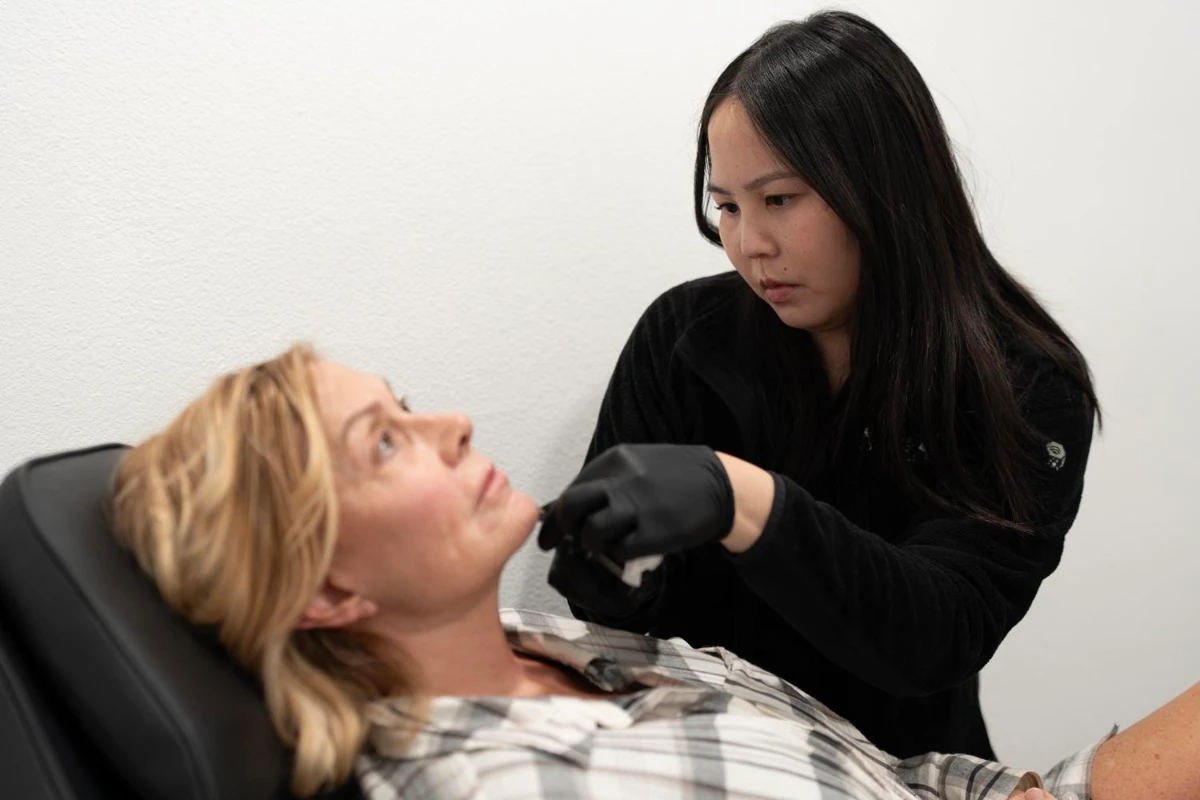
Bruising After Botox or Fillers | Prevention and Arnica Tips
Bruising after Botox or dermal fillers is common, usually small, and often fades within about a week. Filler bruises can be a bit larger and tend to peak around 48 hours before they fade. A bruise happens when the needle nicks a tiny blood vessel under the skin, and it does not mean your treatment went wrong. The good news is that a few simple steps before and after your visit can lower your risk. This guide explains why bruising happens, how long it lasts, and what to stop taking before your appointment. It also covers whether arnica helps, how to care for your skin afterward, and which signs mean you should call your provider.
Why Do Botox and Fillers Cause Bruising?
Botox and fillers cause bruising when the needle nicks a small blood vessel under the skin. A little blood leaks into the tissue and shows up as a purple or blue mark.
The bruise comes from the needle, not from the product itself. Mild bruising is one of the common side effects of Botox, and the FDA lists bruising as a common side effect of dermal fillers.

Some areas bruise more easily than others:
Around the eyes: The skin is thin, and small veins sit close to the surface.
Between the brows: This area has many small blood vessels.
Lips: Lips have a rich blood supply, so small bruises are common after lip filler.
Your own body matters too. Some people simply bruise more easily. Blood-thinning medicines, some supplements, and alcohol can also make bruising more likely.
How Long Does Bruising After Botox or Fillers Last?
Most bruising after Botox or fillers fades within about a week, though some bruises take up to two weeks. Filler bruising and swelling often peak around 48 hours and fade within 3 to 7 days.
A bruise changes color as your body clears it. Here is what that usually looks like.
Botox bruises are often small, like a pinpoint or a pea. Filler bruises can be larger because filler goes deeper and uses more product. Bruising after Botox in the crow's feet or on the forehead is common, and it usually fades on the same timeline.
A bruise does not mean your Botox will not work. The bruise is blood under the skin, and it does not change how the product acts on the muscle.
What Should You Avoid Before Botox or Fillers to Prevent Bruising?
To prevent bruising, LeVogue asks clients to avoid blood-thinning medicines, certain supplements, and alcohol for 5 to 7 days before Botox or filler. These products can make you bleed and bruise more easily.
Before your visit, try to avoid:
Advil, ibuprofen, and aspirin
Fish oil
Vitamin E
Multivitamins (before filler)
Alcohol
Never stop a prescription blood thinner on your own. If your doctor prescribed it, ask that doctor before you change anything. For pain before your visit, ask your doctor which pain reliever is safe for you.
Tell your provider about every medicine and supplement you take, plus any history of easy bruising or bleeding problems. Come to your appointment with clean skin and no makeup on the treatment area. If you are unsure what to pause, you can ask a licensed provider before your treatment.
Plan around big events too. Booking at least two weeks before a wedding or photos gives any bruise time to fade and gives Botox time to fully settle. Our complete Botox guide explains the full treatment process, from consultation to results.
Should You Take Arnica Before Botox or Fillers?
Arnica is optional. Some providers suggest starting homeopathic arnica a couple of days before filler to help with bruising, but research on arnica for bruising is limited, so it is not a must.
At LeVogue, filler prep may include starting arnica supplements 2 days before your appointment. Many people also use arnica gel on the skin after treatment. Arnica is not a guarantee against bruising, so think of it as an extra step, not the main one.
If you want to try arnica, keep these points in mind:
Use homeopathic products only: Herbal arnica taken by mouth can be harmful. Homeopathic tablets are very diluted and are a different product.
Follow the label: Ask your provider how much arnica to take before Botox or filler, and follow the package directions for the amount.
Skip it if you have allergies: People allergic to daisies, ragweed, marigolds, or similar plants may react to arnica.
Use gel on closed skin only: Do not put arnica gel on broken skin.
Ask first if you take blood thinners: Arnica may add to their effect.
Arnica does not replace the basics. Skipping blood thinners and alcohol before your visit does more to lower your bruising risk than any supplement.
What Does LeVogue Do During Treatment to Lower Bruising?
LeVogue providers lower bruising risk by planning each injection around your anatomy. They clean the skin, mark the injection points, use fine needles, and apply ice or numbing cream to keep you comfortable.
Every Botox and filler treatment at LeVogue is done by a licensed injector. The team includes Jackie, RN, with more than 10 years of aesthetic experience, Kimberly, PA, with more than 7 years of specialized aesthetic training, and Crystal, RN, with more than 7 years of clinical experience. Lindsey and Grace are also licensed injectors at LeVogue. You can meet the LeVogue team and ask for a provider by name when you book.
Before treatment, your provider looks at your face, listens to your goals, and asks about your medicines and bruising history. If you bruise easily, say so. Your provider can plan around it.
Every Botox treatment also includes a complimentary two-week follow-up. If a bruise is still bothering you by then, your provider can take a look.
What Should You Do After Botox or Fillers to Reduce Bruising?
After Botox or fillers, rest your face for the first 24 to 48 hours. Skip hard exercise, alcohol, saunas, and hot tubs, and do not rub the treated areas.
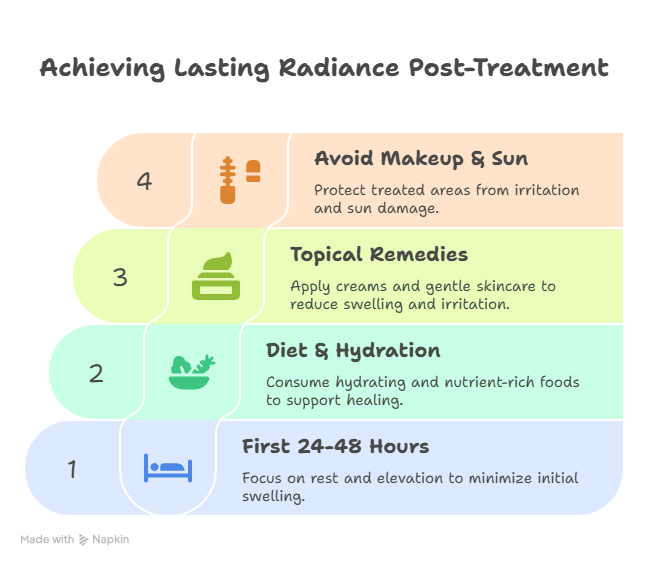
Follow these steps after your treatment:
Use a cold compress: Wrap ice in a clean cloth and hold it gently on the area for up to 15 minutes at a time. Never put ice right on your skin.
Stay upright: After Botox, stay upright for about 4 hours. After filler, sleep with your head slightly raised.
Skip alcohol: Alcohol widens blood vessels and can make bruising worse.
Hold off on workouts and heat: Avoid hard exercise, saunas, hot tubs, and steam rooms for 24 to 48 hours.
Keep your hands off: Do not rub, press, or massage the treated areas.
Wait on blood thinners: Ask your provider when you can restart supplements like fish oil or vitamin E.
Our Botox aftercare guide covers what to do and avoid in the first days after treatment.
How Can You Cover a Bruise After Botox or Fillers?
You can cover a small bruise with concealer once the injection points have closed, usually after the first day. Use clean brushes or a clean sponge, and apply makeup with a light touch.
A few tips make coverage easier:
Use a color corrector first. A yellow-toned corrector helps cancel out purple and blue bruises.
Add your normal concealer on top and set it with a light dusting of powder.
Tap the product on gently. Do not rub or press hard on the treated area.
For a lip bruise, a lip color can help hide it.
If a bruise is slow to fade, give it time and keep using cold compresses in the first day or two. If it still bothers you after a week or two, ask your provider to take a look.
When Is Bruising After Botox or Fillers a Sign of a Problem?
Most bruising after Botox or fillers is normal and harmless. Call your provider right away if a bruise gets bigger, becomes very painful, or comes with skin color changes, fever, or vision problems.
Contact your provider if you notice:
A bruise that keeps growing or lasts longer than two weeks
A firm, painful lump that gets bigger
Redness, warmth, or swelling that spreads
Fever, pus, or other signs of infection
Some signs need care right away. After filler, the FDA says to get immediate medical help for unusual pain, vision changes, or skin near the injection site that turns white, gray, or blue. These can be signs that filler has entered a blood vessel, which is rare but serious.
After Botox, the BOTOX Cosmetic label warns that its effects can spread. Get medical help right away if you have trouble swallowing, speaking, or breathing, or if you notice new muscle weakness or double vision.
Who Is More Likely to Bruise After Botox or Fillers?
Anyone can bruise after injections, but some people bruise more easily. Thin skin, blood thinners, certain supplements, and alcohol all raise the chance.
You may be more likely to bruise if you:
Take aspirin, ibuprofen, or a prescription blood thinner
Take fish oil, vitamin E, or other supplements that thin the blood
Drank alcohol in the day or two before treatment
Bruise easily in daily life
Are having filler in the lips or under the eyes
Bruising risk is one reason a good consultation matters. Your provider can plan around your history and help you time your visit. For filler-specific questions, our dermal filler FAQ answers what new patients ask most.
When you are ready to plan your visit, you can schedule a consultation and review your medicines, goals, and timing with your provider. You can also learn more about Botox treatment at LeVogue.
Frequently Asked Questions
What should I do before Botox to avoid bruising on my face?
Avoid Advil, ibuprofen, aspirin, fish oil, vitamin E, and alcohol for 5 to 7 days before your visit, unless your doctor says otherwise. Never stop a prescription blood thinner on your own. Tell your provider about all your medicines and supplements.
How much arnica should I take before Botox?
There is no set dose that works for everyone. Use a homeopathic arnica product, follow the label, and ask your provider before you start. MedlinePlus notes that there is no strong scientific evidence for arnica for bruising and that herbal arnica taken by mouth can be unsafe.
Can I use arnica cream after Botox?
Many people use arnica gel or cream on bruised skin after Botox or filler. Apply it only on closed, unbroken skin, and press gently without rubbing the treated area. Skip it if you are allergic to daisies or ragweed.
What should I not do the night before Botox?
Skip alcohol and hard exercise the night before Botox. Keep avoiding blood thinners and supplements like fish oil and vitamin E, and come to your visit with clean skin and no makeup.
How long does bruising last after filler?
Filler bruising and swelling often peak around 48 hours and fade within 3 to 7 days. Lip and under-eye bruises can take a little longer. Call your provider if a bruise grows or lasts more than two weeks.
Does bruising mean my Botox did not work?
No. A bruise is blood under the skin from the needle, and it does not change how Botox works on the muscle. Most people see results within days, with full results in about two weeks.
Is bad bruising after Botox normal?
Most bruises after Botox are small. A large or painful bruise is less common and should be checked by your provider. Get help right away if bruising comes with severe pain, skin color changes, or vision problems.
When should I get help for a filler bruise?
Get immediate medical help for unusual pain, vision changes, or skin near the injection site that turns white, gray, or blue. The FDA lists these as warning signs after dermal fillers.
This article is for educational purposes only and is not medical advice. Candidacy, treatment plans, and results vary from person to person. Schedule a consultation with a licensed LeVogue Med Spa provider to discuss your goals.


