
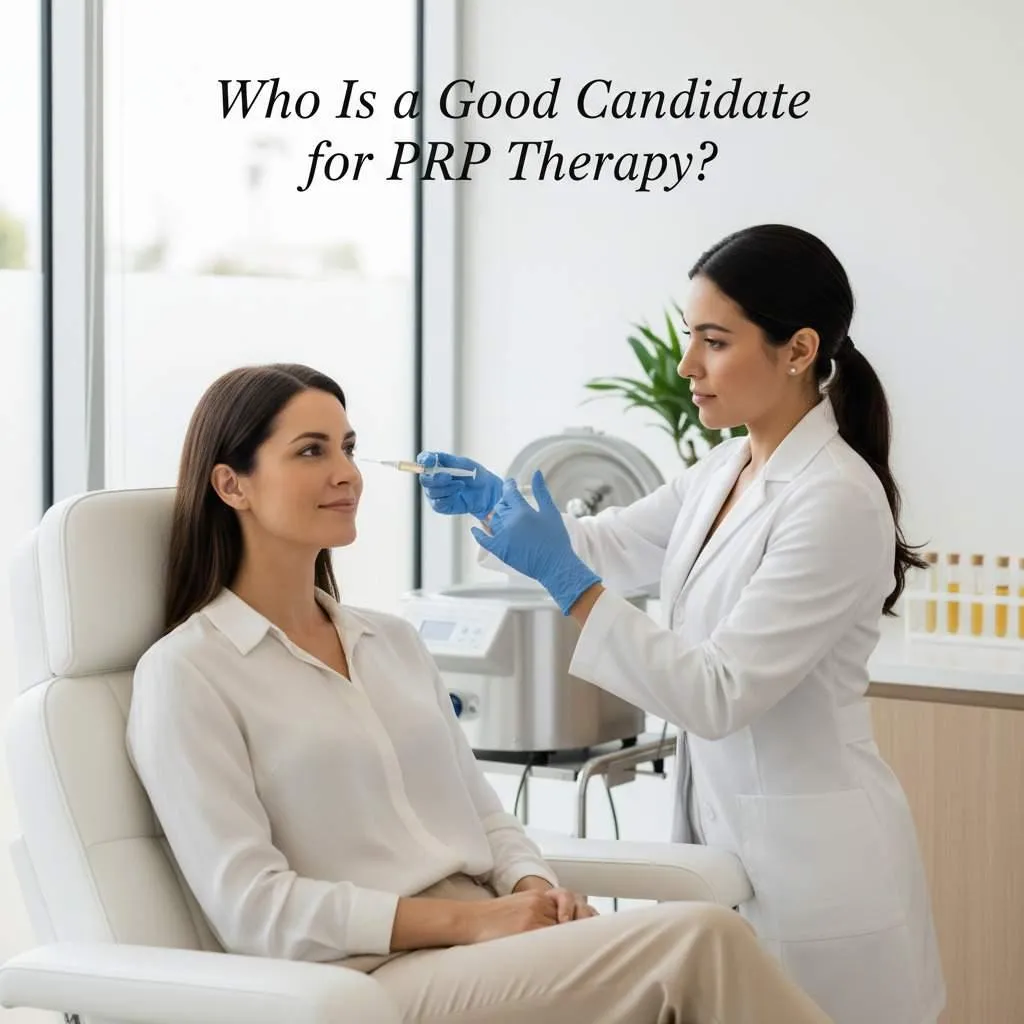
PRP Therapy: Who Can Truly Benefit from This Treatment?
Years of sun exposure and an active lifestyle can take a toll on your body. You might notice thinning hair, fine lines, or nagging joint discomfort. These are common concerns for people who value their appearance and wellness.
Fortunately, Platelet-Rich Plasma (PRP) therapy offers a solution. If you are looking for effective PRP Therapy Temecula, LeVogue Medspa provides a regenerative treatment that uses your body’s own cells to address these issues naturally.
This article explains how PRP works, its benefits for hair, skin, and joints, and helps you decide if this scientifically grounded approach is right for you.
How Does Platelet-Rich Plasma Therapy Actually Work?
PRP therapy harnesses your body’s natural healing abilities to repair tissues. The process begins with a simple blood draw, very similar to a routine medical test. Your blood is placed into a specialized centrifuge that spins rapidly to separate the platelets from the plasma.
This process creates a solution packed with growth factors. These are proteins that drive cell regeneration and tissue healing. For a step-by-step look at how we prepare and administer this solution, you can read our complete PRP treatment guide.
Once prepared, the concentrated PRP is injected into specific areas:
The Scalp: To combat thinning hair.
The Face: For skin rejuvenation.
Joints: To relieve pain and improve mobility.
The entire procedure usually takes 30 to 60 minutes. Most patients report only mild discomfort, often described as a brief pinch.
According to the American Academy of Orthopaedic Surgeons, research is promising for conditions like osteoarthritis, with many patients experiencing significant relief. Results vary by individual, but benefits typically last between 6 and 18 months.
Why Is PRP Becoming Popular in Temecula?

Living in Temecula involves plenty of sunshine and outdoor activities. While this is great for the spirit, it creates unique physical needs. PRP offers natural solutions for the local lifestyle.
Hair Restoration
For those dealing with pattern hair loss or thinning from environmental factors, PRP activates hair follicles. You may begin to see thicker hair in 3 to 6 months.
One patient shared, "My hair thinned significantly from years in the sun. PRP therapy restored its fullness, and I feel confident at events again."
Skin Rejuvenation
Sun damage is common here. PRP stimulates collagen production to smooth wrinkles, improve texture, and treat acne scars. You will likely notice smoother skin within weeks, with full results appearing in 2 to 3 months as new collagen builds. Because PRP uses your own biology, the risk of allergic reaction is incredibly low.
Joint Mobility and Pain Relief
If you enjoy hiking, tennis, or surfing, joint pain can be a major setback. PRP is effective for issues like knee pain, hip discomfort, tennis elbow, and tendon injuries.
Typically, 1 to 3 injections spaced a few weeks apart can reduce pain and improve function. It is a strong alternative to cortisone shots. While cortisone offers quick but temporary relief, PRP promotes long-term healing without the risk of damaging cartilage.
Are You the Right Candidate for Regenerative Therapy?
PRP therapy suits many people, but it isn’t for everyone. The ideal candidate is generally in good health and looking for a natural alternative to surgery or synthetic drugs.
You may be a great fit if you have:
Mild to moderate hair loss.
Fine lines, acne scars, or uneven skin tone.
Osteoarthritis or sports injuries (tendonitis, ligament sprains).
To verify if you are eligible based on your medical history, reviewing specific PRP therapy candidacy requirements is a smart next step.
Good health and a healthy platelet count are key to success. Since PRP relies on your body's healing mechanisms, it works best when your body is primed to recover.
When Should You Avoid This Treatment?
Certain conditions prevent safe PRP therapy. You may not be eligible if you have:
Blood disorders: Conditions like thrombocytopenia (low platelet count).
Active infections: Any infection in the treatment area.
Active cancer: Or spreading disease.
Pregnancy: It is generally advised to wait until after delivery.
Additionally, those on heavy blood thinners are usually disqualified.
What Should You Know About Costs and Insurance?
Because PRP is often considered an elective or aesthetic procedure, health insurance plans like Medicare or Blue Cross Blue Shield rarely cover it.
The price varies based on the treatment area and the number of sessions required. It is helpful to understand the breakdown of PRP injection costs before booking your appointment so you can plan your budget accordingly. Despite the out-of-pocket expense, high patient satisfaction rates for hair restoration and joint relief make it a worthwhile investment for many.
What Happens During Your Appointment?
At LeVogue Medspa, the process is precise. After the blood draw and centrifugation, an aesthetic injector or specialist administers the solution.
Pain Level: Minimal. Numbing cream is often used for skin treatments.
Downtime: You can drive home immediately. Walking is fine after joint injections, though resting for 24-48 hours helps the healing process.
Diet: Eat a protein-rich meal and stay hydrated before your appointment.
Restrictions: Avoid anti-inflammatory drugs (like ibuprofen) and caffeine for a few days, as these can interfere with the body's healing response.
Why Trust LeVogue Medspa for Your Care?
Our PRP clinic in Temecula puts your needs first. We combine years of experience with advanced technology to deliver personalized results.
Expert Team: Our specialists tailor PRP therapy to your unique goals.
Certified Technology: We use industry-standard centrifuge systems to maximize platelet concentration.
Proven Results: A vast majority of our patients report improved hair thickness or joint mobility.
As the National Institutes of Health notes, the preparation method matters significantly in the outcome of the therapy. We ensure our preparation meets the highest clinical standards.
Frequently Asked Questions
Who is not a good candidate for PRP?
Individuals with blood disorders, active infections, cancers, or severe degenerative conditions usually do not qualify. We always assess your health history to ensure safety.
What is the right age to get PRP?
PRP is effective for adults in their 20s to 60s. While younger patients often heal faster, we successfully treat seniors for joint pain and skin rejuvenation, provided they are in good overall health.
Is one session enough?
For mild cases, one session can work. However, most aesthetic and joint treatments require a series of 3 sessions for optimal results, followed by maintenance every 6 to 12 months.
Conclusion
PRP therapy provides a natural solution for hair loss, fine lines, and joint pain, making it ideal for Temecula’s active residents. It uses your body’s healing power for lasting results, with many patients seeing improvement for up to 18 months.
Compared to temporary fixes like cortisone, PRP offers long-term healing without the risks. Schedule your consultation at LeVogue Medspa today to explore how this treatment can enhance your wellness and confidence.